When it comes to dominating the football field, your gear plays a crucial role—and no item is more critical than your football shoes. Often called football cleats, these shoes provide traction, support, and control, directly influencing performance, speed, and injury prevention.
Whether you’re a professional player or a weekend warrior, selecting the right pair of football shoes can be the difference between good and great performance. In this comprehensive guide, we’ll break down everything you need to know: types of football shoes, surfaces, materials, features, top brands, and a buying guide tailored to your position and skill level.
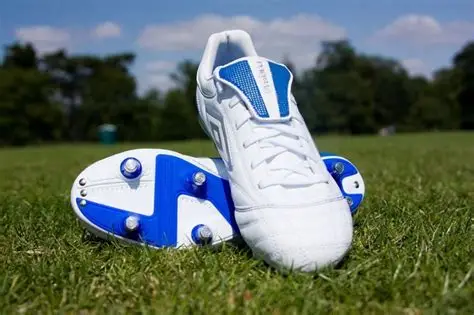
Table of Contents
What Are Football Shoes?
Football shoes, also known as cleats, are specially designed footwear used in football (soccer and American football). These shoes provide grip on various playing surfaces like natural grass, artificial turf, or hard ground.
In soccer (association football), football shoes come with molded or detachable studs on the outsole. These studs improve traction, agility, and balance, reducing the risk of slips and enhancing control during high-speed plays.
In American football, football cleats are designed with position-specific structures—providing ankle support for linemen or lightweight flexibility for wide receivers and running backs.
Why Football Shoes Matter
Wearing the right football shoes has a direct impact on performance and safety:
- Traction: Prevents slipping and allows quick direction changes.
- Support: Reduces stress on ankles and knees.
- Comfort: Ensures better movement and longer play without fatigue.
- Control: Enhances touch, dribbling, and striking in soccer.
- Speed: Lightweight shoes contribute to sprinting efficiency.
No matter your level of experience, investing in the right pair of football shoes is critical to both performance and injury prevention.
Types of Football Shoes Based on Playing Surface
1. Firm Ground (FG) Football Shoes
These are the most commonly used football shoes and are designed for natural grass pitches. They have molded plastic or rubber studs that are non-removable.
- Best for: Dry, firm natural grass
- Features: Conical or bladed studs
- Examples: Nike Mercurial Vapor FG, Adidas X Speedportal FG
2. Soft Ground (SG) Football Shoes
Soft ground football shoes are ideal for wet, muddy fields. They usually come with metal screw-in studs for better grip.
- Best for: Muddy, wet natural pitches
- Features: Fewer, longer studs for deep penetration
- Examples: Puma Future Z SG, Adidas Predator SG
3. Artificial Ground (AG) Football Shoes
AG football shoes are designed for synthetic turf. Their shorter, more numerous studs help distribute pressure evenly across the sole.
- Best for: 3G and 4G artificial turf
- Features: Hollow or rounded studs
- Examples: Nike Phantom GT AG, Adidas Copa Sense AG
4. Turf (TF) Football Shoes
These are low-profile shoes with rubber outsoles, ideal for hard, artificial surfaces.
- Best for: Indoor turf or hard grounds
- Features: Dense rubber patterns instead of studs
- Examples: Joma Top Flex TF, Adidas Mundial Team TF
5. Indoor (IC) Football Shoes
Made for futsal or indoor football courts, these football shoes have flat, non-marking rubber soles.
- Best for: Indoor courts
- Features: Flat outsoles, lightweight design
- Examples: Nike React Gato IC, Adidas Samba Classic
Key Features of Quality Football Shoes
Material of the Upper
- K-Leather: Natural feel and comfort; stretches over time.
- Synthetic Leather: Lightweight, durable, and less absorbent.
- Mesh: Breathable and flexible, ideal for speed boots.
Outsole and Stud Configuration
- Determines grip and maneuverability.
- Choose molded for firm ground, screw-in for soft ground, and rubber soles for indoor/turf.
Fit and Comfort
- A snug fit enhances ball control.
- Padding and arch support reduce strain.
- Look for shoes with removable insoles for customization.
Weight of the Shoe
- Lightweight football shoes are ideal for wingers and strikers.
- Heavier cleats offer more protection for defenders and linemen.
Football Shoes by Player Position
Each position requires different footwear features. Here’s how to choose the right football shoes:
Soccer Positions
- Goalkeepers: Prefer shoes with grip and lateral stability (e.g., Adidas Predator Edge).
- Defenders: Look for durable shoes with ankle support and solid stud configuration.
- Midfielders: Need balance of control and comfort (e.g., Nike Tiempo Legend).
- Forwards: Choose lightweight boots with a good strike zone (e.g., Puma Ultra).
- Wingers: Go for speed boots with streamlined design and excellent traction.
American Football Positions
- Lineman: Mid- to high-cut shoes with maximum protection.
- Quarterbacks: Cleats offering a mix of mobility and support.
- Running Backs: Lightweight cleats with aggressive traction.
- Wide Receivers: Low-cut cleats for speed and quick cuts.
- Linebackers: Supportive cleats with reinforced toe boxes.
Best Football Shoe Brands in 2025
Top Brands for Football Shoes
- Nike
- Known for lightweight, speed-focused cleats
- Top models: Mercurial, Phantom GT, Tiempo
- Adidas
- Offers advanced control and striking zones
- Top models: Predator, Copa Sense, X Crazyfast
- Puma
- Focuses on agility and comfort
- Top models: Future Z, Ultra Ultimate
- Under Armour
- Popular in American football
- Known for grip and comfort
- New Balance
- Gaining popularity with premium materials and fit
- Top model: Furon and Tekela series
Choosing the Right Size and Fit
Selecting the right fit for your football shoes is vital:
- Always try shoes with football socks.
- Ensure a snug fit without discomfort.
- Leave a thumb’s width between toe and front of the shoe.
- Break them in before a full match.
Improper fit can lead to blisters, poor ball control, and even long-term foot problems.
Maintenance Tips for Football Shoes
Proper care extends the life of your football shoes:
- After every game: Remove mud, dirt, and debris.
- Dry naturally: Avoid heaters or dryers—stuff with newspaper.
- Clean insoles: Use mild soap and water.
- Store correctly: Use a shoe bag or dry area with airflow.
- Replace when worn out: Worn studs or damaged uppers can cause injury.
Football Shoes for Youth vs. Adults
Youth Football Shoes
- Focus on comfort and protection.
- Growth factor means frequent replacements.
- Brands like Adidas and Nike offer budget-friendly junior models.
Adult Football Shoes
- More specialized designs (position-based, pro-level features).
- Durability and performance are prioritized.
- Sizing is more standardized, with wide/narrow options.
FAQs
Q1: How do I choose the best football shoes for grass?
Choose firm ground (FG) football shoes with molded studs for dry grass, or soft ground (SG) cleats with screw-in metal studs for wet and muddy conditions.
Q2: Can I use the same football shoes on turf and grass?
Not recommended. Turf and grass require different stud patterns. Using FG cleats on turf can reduce traction and wear out the sole faster.
Q3: How often should I replace my football shoes?
On average, every 6–12 months depending on usage. Signs like worn studs, tearing uppers, or discomfort mean it’s time to replace them.
Q4: Do football shoes differ between soccer and American football?
Yes. Soccer cleats are generally lower-cut and lighter. American football cleats vary more by position and usually offer more ankle support.
Q5: What’s the difference between AG and FG football shoes?
AG (Artificial Ground) shoes have shorter, more numerous studs for synthetic surfaces. FG (Firm Ground) cleats are for natural grass with longer, fewer studs.
Conclusion: Why the Right Football Shoes Matter
Whether you play on lush grass, dusty turf, or polished indoor courts, the right pair of football shoes can elevate your game to the next level. From grip to comfort, speed to style, your footwear impacts every sprint, turn, and goal.
In this guide, we explored:
- Different types of football shoes
- How to choose based on position and surface
- The best brands in 2025
- Maintenance and fit tips
Your next game starts from the ground up—so choose your football shoes wisely. Whether you’re scoring goals or making key defensive plays, the right cleats are your secret weapon to success.