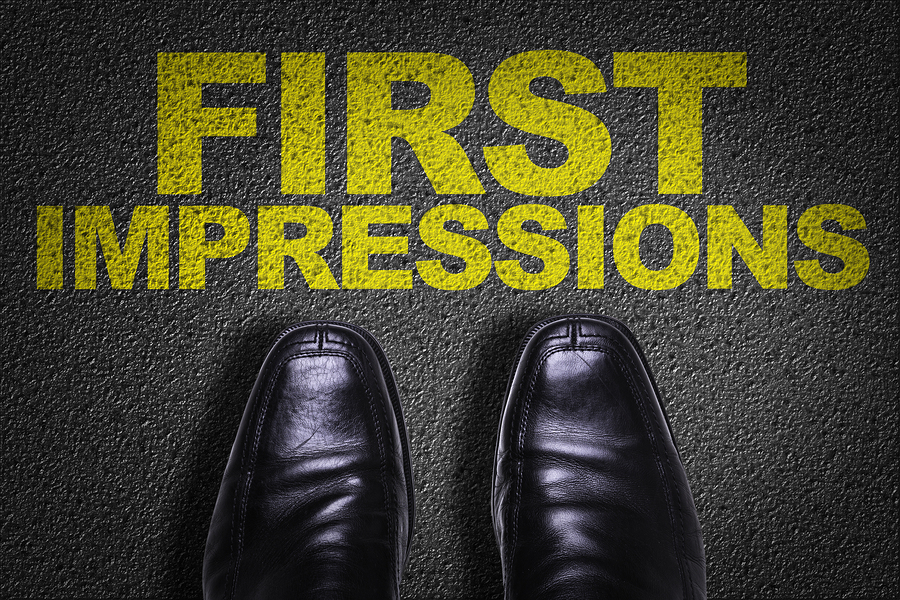
When it comes to first impressions, shoes play a surprisingly significant role. Whether you realize it or not, people often judge you based on your footwear before you even say a word. In modern society, shoes as a source of first impressions have become a subtle but powerful communication tool. Your choice of shoes reveals aspects of your personality, lifestyle, social status, and even your mood.
This article explores why shoes matter in first impressions, what different shoe styles say about you, and how you can use footwear to make a lasting impact—whether you’re heading to a job interview, a first date, or a networking event.
Table of Contents
Why First Impressions Matter?
First impressions are formed in milliseconds and are often based on visual cues. Research shows that people form judgments about others within seven seconds of meeting them. During this time, they subconsciously evaluate:
- Body language
- Facial expressions
- Grooming and attire
- Footwear
Shoes are uniquely important because they are often overlooked by the wearer but not by the observer. They reflect attention to detail, personal taste, and hygiene. When people see your shoes, they may assume things like:
- Your economic status
- Your professionalism
- Your confidence
- Your level of organization
Therefore, considering shoes as a source of first impressions is crucial in all walks of life.
The Psychology of Shoes –
Why We Judge People Based on Shoes ?
A study published in the Journal of Research in Personality in 2012 found that observers could accurately judge a person’s age, gender, income, political affiliation, and even emotional stability just by looking at their shoes. This underscores how important shoes are in nonverbal communication.
Psychologists suggest that we often project our biases and experiences onto what we see. A clean, well-polished pair of leather shoes may imply professionalism and discipline, while dirty, worn-out sneakers might suggest carelessness or a casual attitude.
Footwear and Personality Traits.
Different shoe types tend to be associated with different personality traits:
- Conservative leather shoes = Responsible and organized
- Flashy heels = Confident and stylish
- Colorful sneakers = Creative and fun
- Worn-out shoes = Frugal or inattentive
- Brand-name athletic shoes = Trend-conscious and status-aware
These impressions, though sometimes inaccurate, heavily influence social perception.
What Different Shoes Say About You ?
Men’s Shoes and First Impressions.
Men are often judged on their footwear in both casual and professional settings. Some common interpretations include:
- Oxford shoes: Serious, professional, and detail-oriented
- Loafers: Relaxed yet stylish
- Running shoes: Practical and health-conscious
- Work boots: Hard-working, tough, and reliable
A man wearing scuffed or outdated shoes may be perceived as out-of-touch or careless, while someone wearing polished shoes is seen as competent and put-together.
Women’s Shoes and First Impressions.
For women, shoes are often associated with style, personality, and even confidence:
- High heels: Assertive, fashionable, and ambitious
- Ballet flats: Modest, gentle, and approachable
- Chunky boots: Rebellious and bold
- Designer heels: Luxury, class, and social standing
Women’s footwear can make even more impact due to the variety and symbolism associated with their shoes.
Shoes and Social Status.
Shoes have long been a marker of social status. Designer brands like Louboutin, Gucci, and Jimmy Choo aren’t just about fashion—they’re social signals. Wearing these shoes often suggests:
- Wealth
- Social sophistication
- High standards
Conversely, budget or off-brand shoes might be interpreted (often unfairly) as signs of lower social standing. This reinforces the importance of considering shoes as a source of first impressions, especially in upper-class or status-conscious environments.
Gender Differences in Shoe Perceptions.
Studies show that men and women perceive shoes differently when forming first impressions:
- Men tend to focus more on the utility and cleanliness of shoes.
- Women often notice design, color coordination, and brand.
This means that in social or romantic contexts, women may form more detailed impressions based on footwear, making the shoe choice even more critical for both genders.
Cultural Impact on Shoe Impressions.
In many cultures, shoes carry deep symbolic meanings:
- In Japan, removing shoes before entering a home is a sign of respect and cleanliness. Dirty shoes could offend hosts.
- In India, pointing your shoes at someone is considered disrespectful.
- In Western cultures, formal shoes are associated with professionalism and credibility.
Understanding these cultural nuances is crucial when traveling or working in international settings.
Shoes in Professional Settings
Interview Shoes and First Impressions.
When going for a job interview, your shoes can make or break your impression. Recruiters notice details, and shoes are among the top items that reflect preparation and professionalism.
- Do wear: Polished, closed-toe shoes that match your outfit.
- Don’t wear: Sandals, flip-flops, or overly casual sneakers.
If you want to be taken seriously, your shoes need to say, “I’m here to do business.”
Work Shoes and Hierarchical Perception.
Within companies, employees often judge colleagues based on their footwear. A manager wearing quality leather shoes may subconsciously command more respect than one in worn-out loafers.
Footwear can reinforce or undermine your authority.
Footwear and Dating Impressions.
When it comes to dating, first impressions matter even more. Shoes are often the first thing a potential partner notices. They may interpret your footwear as:
- A sign of your lifestyle (active vs. laid-back)
- Your fashion sense (stylish vs. indifferent)
- Your cleanliness and self-care habits
For example, showing up to a date in muddy shoes sends a very different message than arriving in sleek, clean shoes that match your outfit.
Common Mistakes to Avoid.
To use shoes effectively as a source of first impressions, avoid these common errors:
- Wearing Dirty or Damaged Shoes – Always keep them clean and well-maintained.
- Choosing Shoes That Don’t Fit the Occasion – Flip-flops to a wedding? Big no.
- Neglecting Comfort – Uncomfortable shoes can make you walk awkwardly, undermining confidence.
- Mismatched Shoes and Outfits – Inconsistent styling confuses people about your personality.
FAQs
Q1: Why do shoes matter so much in first impressions?
Shoes are a visible and often overlooked detail that reflects hygiene, taste, social awareness, and personality traits. People subconsciously evaluate you based on your footwear.
Q2: Can shoes really reveal my personality?
Yes. Research shows shoes can reflect emotional stability, openness, conscientiousness, and even political leanings. They are a nonverbal cue.
Q3: How can I improve my first impression through shoes?
Invest in clean, well-fitting, occasion-appropriate shoes. Match them with your outfit and ensure they are maintained. Choose shoes that represent the image you want to portray.
Q4: Are expensive shoes necessary to make a good impression?
Not at all. The key is cleanliness, fit, and appropriateness. Affordable but clean and stylish shoes can make just as strong an impression as luxury brands.
Q5: Do shoes affect professional success?
Yes. In professional environments, shoes can signal credibility, attention to detail, and professionalism, all of which influence hiring and promotions.
Conclusion: What Your Shoes Say Before You Speak.
Shoes are more than just functional items—they’re powerful tools for nonverbal communication. The idea of shoes as a source of first impressions is backed by psychology, social research, and everyday experience.
Your choice of footwear sends signals about your personality, confidence, status, and readiness for different roles in life. Whether you’re walking into a boardroom or heading out on a date, the right shoes can help you walk in with the right impression.
So the next time you reach for a pair of shoes, ask yourself: What do these say about me? Because rest assured—others will be asking the same thing.